

New treatments are expanding beyond conventional flu therapy into high-risk patients and prevention, as Chinese drugmakers step up innovation and competition.
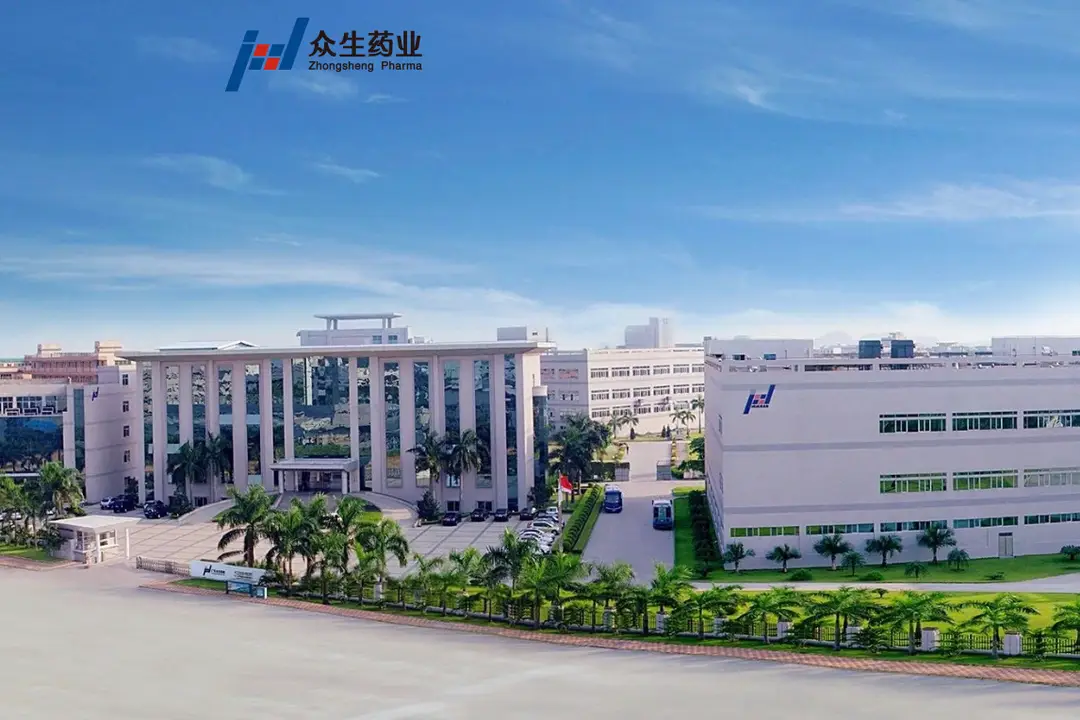
China’s homegrown influenza drug pipeline is accelerating, with Zhongsheng Pharma’s (002317.SZ) antiviral drug onradivir obtaining approval from the National Medical Products Administration (NMPA) to begin Phase III trials for an expanded indication: treating influenza A patients at high risk of complications.
The development is part of a broader acceleration in China’s homegrown flu drug market. Four domestically developed influenza drugs received marketing approval in 2025, while Ark Biopharmaceutical’s long-acting candidate AK0406 has been cleared to begin clinical trials for flu prevention.
The pipeline is expanding beyond treatment to prevention, and from otherwise healthy patients to vulnerable groups. China’s domestic flu drug sector could be approaching a significant turning point.
Zhongsheng pursues three indications
Onradivir, approved by the NMPA in May 2025 for adults with uncomplicated influenza A, is a first-in-class RNA polymerase PB2 inhibitor with a novel mechanism of action. Studies show it also has inhibitory activity against highly pathogenic avian influenza strains such as H7N9 and H5N6.
Zhongsheng is now advancing the drug on three fronts. Marketing applications for onradivir tablets in adolescents aged 12-17 and for onradivir granules in children aged 2-11 with uncomplicated influenza A have both been accepted. The newly approved Phase III trial will enrol adolescents aged 12 and older and adults with high-complication-risk influenza A — potentially covering adults with uncomplicated flu, high-risk patients, and adolescent and pediatric populations.
The company’s innovative pipeline also includes the GLP-1/GIP dual-target weight-loss drug RAY1225 and the metabolic dysfunction-associated steatohepatitis (MASH) drug ZSP1601, spanning respiratory and metabolic diseases. In January, its controlling subsidiary Zhongsheng Ruichuang licensed RAY1225 rights in China to Qilu Pharmaceutical in a deal worth up to 1 billion yuan ($150 million), including a 200 million yuan upfront payment.
Domestic rivals flood the market
China’s homegrown anti-flu sector hit a peak in 2025, with four new drugs approved: masulaxavir, jointly developed by Ginkgo Tree Pharmaceutical and Qingfeng Pharmaceutical; onradivir developed by Zhongsheng; marsetlovir, developed by Jumpcan Pharmaceutical (600566.SH) and Zenshine Pharmaceuticals; and mapaxicavir developed by Joincare Pharmaceutical (600380.SH) and Taiwan’s Taigen Biotechnology.
According to publicly available information and industry data, nearly 10 influenza drugs have now received approval in China. They span several classes, including neuraminidase inhibitors such as oseltamivir and peramivir, viral entry inhibitors such as arbidol, and RNA polymerase inhibitors. The last category has attracted particular attention as a new generation of influenza treatments. It includes inhibitors targeting the polymerase’s PA and PB2 subunits, as well as drugs that interfere with RNA synthesis.
Next-generation candidates emerge
Several other domestic candidates are progressing through clinical development.
Chenxin Pharmaceutical’s (603367.SH) PA inhibitor WXSH0208 has completed Phase II trials in adults with uncomplicated influenza. Shandong Luning Pharmaceutical’s LN020, a small-molecule drug targeting the influenza RNA polymerase complex, is undergoing Phase II trials in adolescents and adults with uncomplicated acute influenza A and B. Cavendish Biopharmaceuticals’ 102D-6 granules are in Phase II/III trials for uncomplicated influenza A and B in patients aged five and above.
Other approaches are also emerging.
XW001, an inhaled interferon lambda solution being developed by Sciwind Biosciences in partnership with Sino Biopharmaceutical, is an analogue of human interleukin-29 (IL-29). It works by binding to IFNλ receptors on respiratory epithelial cells and is being developed for respiratory syncytial virus (RSV), influenza and other respiratory infections with significant unmet medical needs. The drug has completed two clinical trials in China, with results indicating a favourable safety profile and good tolerability in both adults and children.
Ark Biosciences’ long-acting anti-influenza Fc conjugate AK0406 precisely links a highly active antiviral small molecule to an antibody Fc fragment, combining direct viral suppression with Fc-mediated immune clearance for long-acting prevention. It is China’s first influenza AFC drug to enter clinical trials, with a Phase II prevention trial in the US and a Phase I study in Australia.
Merck’s November 2025 acquisition of Cidara Therapeutics for $9.2 billion brought CD388, a stable conjugate of a small-molecule neuraminidase inhibitor and an Fc fragment positioned as a preventive rather than treatment, directly competing with conventional flu vaccines. Phase IIb data showed 76% preventive efficacy — far above the roughly 40% average for traditional vaccines — with coverage of all influenza strains and quarterly dosing providing four to five months of protection across the full season. Analysts see peak annual sales potential above $5 billion.
Influenza seasons are an annual certainty, but this year’s drug development landscape is unusually active.
China’s domestic influenza drug industry is reaching an important transition, moving from generic imitation towards original innovation, from treatment alone towards prevention as well, and from domestic competition towards the global market.
Although the market is smaller than oncology, predictable seasonal demand and clear opportunities for technological improvement provide a solid foundation for continued innovation.
The next challenge will be determining which companies can establish genuine competitive advantages in development speed, efficacy, drug resistance and prevention — rather than simply joining the latest wave of investment.
Source:
Pharma Intelligence