The company is using technology for things like new ingredient discovery as Chinese consumers seek increasingly individualized products
By Teri Yu
Yatsen Holding (YSG.US) is turning to artificial intelligence, biotech research and automated manufacturing as it seeks to strengthen its position in China’s increasingly competitive beauty market.
Best known for its Perfect Diary cosmetics brand, the New York-listed company is shifting its focus toward skincare, where consumers are increasingly seeking products tailored to specific skin concerns and individual needs.
At Yatsen’s manufacturing hub in Guangzhou, a joint venture with South Korean cosmetics manufacturer Cosmax, automated production and quality-control systems are being combined with AI-assisted ingredient discovery, formulation development and clinical testing.
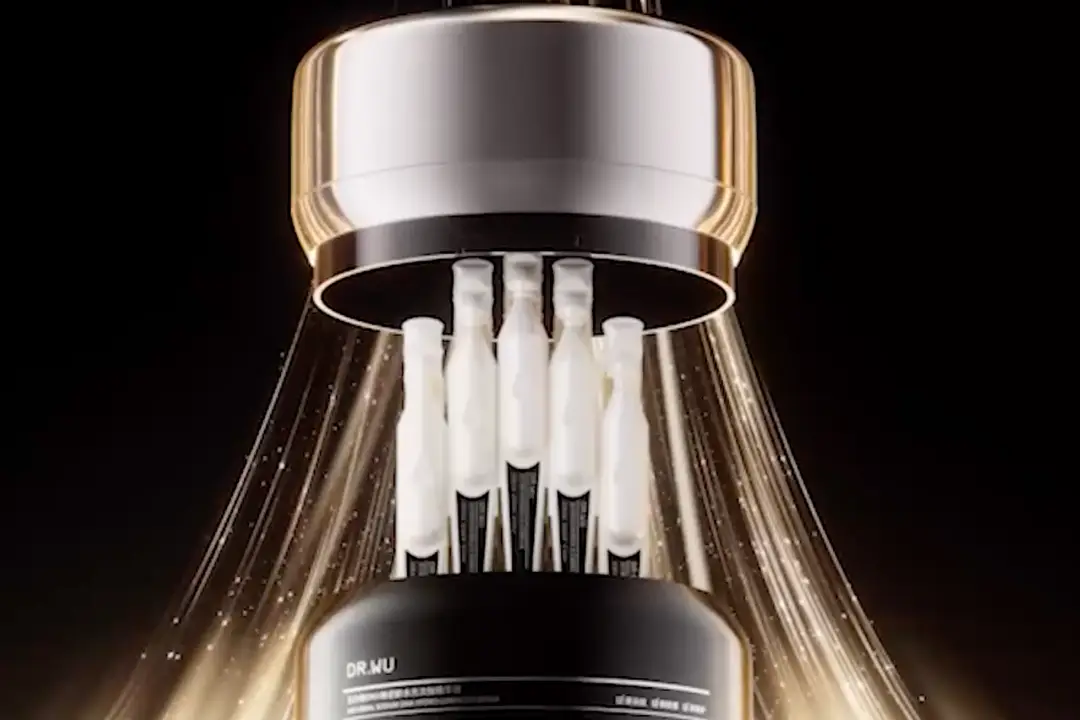
The 78,000-square-meter facility, which began operating in 2023, produces products for Yatsen’s brands including Dr. Wu, Perfect Diary, Little Ondine and Pink Bear. The company is using the site to integrate product development, manufacturing and quality assurance as it expands its skincare business.
Skincare takes the lead
Skincare has overtaken color cosmetics as Yatsen’s largest source of revenue, with brands including Galénic, Dr. Wu and Eve Lom driving growth.
Revenue rose 5.1% year on year to 1.14 billion yuan ($168.3 million) in the three months to June. Skincare revenue jumped 40.4% to account for more than 70% of total sales, compared with just over 50% a year earlier.
By contrast, revenue from color cosmetics fell 35.8%, reflecting continued pressure on Perfect Diary and other makeup brands in an increasingly crowded market.
Yatsen Chairman David Huang said China remains the priority, although it is also beginning to expand into Asia and Europe.
The company’s financial performance is still under pressure. It reported a second-quarter net loss of 90.8 million yuan, compared with a loss of 19.5 million yuan a year earlier. On a non-GAAP basis, it recorded a loss of 99.4 million yuan, reversing a profit a year earlier.
Gross margin declined to 73.9% from 78.3%, while marketing expenses exceeded 70% of revenue. Huang said the company remains committed to brand-building investment because its existing brands have yet to reach their full potential.
Consumers seek more targeted products
Yatsen’s strategy reflects a broader shift toward functional skincare, according to Johnny Chen, general manager of the Dr. Wu brand.
Chinese consumers are becoming more knowledgeable about ingredients and efficacy and increasingly want products designed to address specific concerns, rather than broad beauty claims, Chen said.
He cited Dr. Wu’s mandelic acid toning water, which has recorded triple-digit year-on-year growth over the past several years, including the first part of this year.
AI is also changing how consumers research beauty products. Rather than relying primarily on influencers and traditional media, consumers are increasingly using AI tools to seek recommendations tailored to their age, skin type and specific concerns.
Yatsen is investing in research to support those increasingly specific product claims. It has spent more than 770 million yuan on product development since 2022, while research and development expenses accounted for about 3.3% of revenue in the latest quarter.
The company operates research centers in Shanghai, Guangzhou, and Toulouse in France. Its Guangzhou center includes a 3,000-square-meter testing facility and monitors more than 50 quality parameters.
AI moves into the laboratory
Yatsen said it began developing AI capabilities early and now applies them across its brands. The technology is being used to screen active ingredients, identify biomarkers, assess ingredient combinations, and develop new molecules.
The company said AI-based molecular docking has helped it identify three PDRN efficacy boosters, shortening the ingredient-discovery process from years to months.
Its European research operations also allow Yatsen to study differences between Asian and European consumers and feed those findings into product development, Chief Scientific Officer Jing Cheng said.
The Guangzhou factory is using robotic arms and automated guided vehicles for materials handling and packaging. Solar power and wastewater recycling and purification systems are also part of the facility’s efficiency and sustainability measures.
Yatsen is also considering further expansion of its portfolio. Huang said the company remains focused on its existing brands but isn’t ruling out acquisitions or partnerships involving assets with strong brand equity and product performance.
The company has also sought to apply skincare technology to cosmetics through what it calls “makeup skintification,” an approach it began introducing in 2023.
For Yatsen, the combination of AI, scientific research, and automated production is intended to create a more integrated route from consumer insight and ingredient discovery to finished products. The challenge is whether those investments can translate into products that create consumer demand and give the company a sustainable advantage in China’s rapidly changing beauty market.
To subscribe to Bamboo Works weekly free newsletter, click here