

China is attracting foreign patients with faster treatment, lower costs and access to therapies unavailable in their home countries.
By Ling Xin and Ding Ning
When 59-year-old Josh embraced his doctor Xuan Linli on Aug. 16, he was ending a six-week cancer treatment journey. He would soon board an 11.5-hour flight back to New Zealand – alone, but alive.
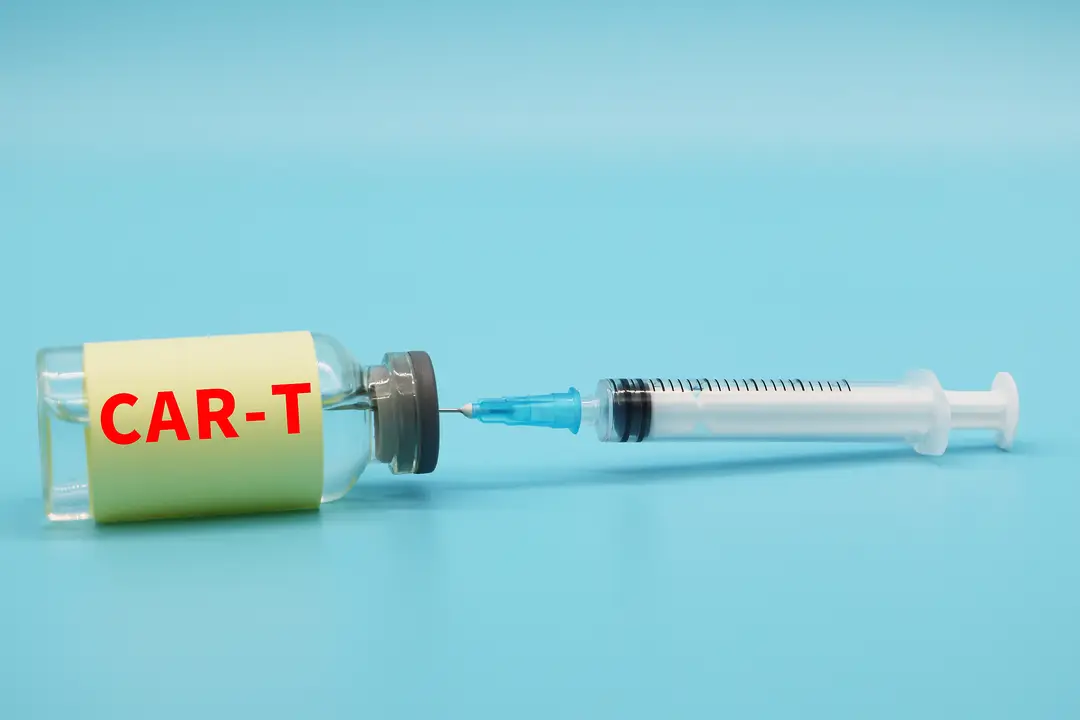
In Shanghai, Josh became the world’s first foreign patient to receive CAR-T cell therapy for a solid tumor in China. The country’s National Medical Products Administration had approved the world’s first such treatment just two months earlier. Josh flew to China with his wife and youngest son after learning of the breakthrough.
Months before, New Zealand doctors had declared his cancer treatment a failure. Josh was so weak he could not eat and survived on enteral nutrition. He scoured the internet for cutting-edge oncology options – and chose China.
The single CAR-T injection costs 990,000 yuan ($137,000). Even in New Zealand, where average annual salaries reach 356,000 yuan, this is a significant sum. Yet Josh is among a growing wave of foreigners choosing Chinese hospitals.
National Health Commission data shows cross-border medical service revenue exceeded 80 billion yuan in the first three quarters of 2025, with annual growth above 30%. Leading international hospitals treated 1.28 million international patients in 2025 – a 73.6% increase from three years ago – with the number of European and American patients doubling.
The trend accelerated in 2026: nine hospitals announced new international departments in the first quarter alone. International patients represent a fresh growth engine for Chinese hospitals.
Life-saving care at lower cost
Foreigners come not just for lower prices but for treatments unavailable elsewhere. Josh’s solid-tumor CAR-T therapy is currently exclusive to China.
Daniel arrived from the U.S. for another Chinese-only cancer drug. After four failed treatments in the U.S., doctors at the MD Anderson Cancer Center told him there was nothing more they could try, but suggested ivonescimab, a new drug approved only in China, might be his last hope.
During treatment in March, Daniel developed a serious immune-related reaction and was transferred to intensive care. Jiahui International Hospital organized multidisciplinary consultations, including with Zhou Caicun, the drug’s principal investigator. Jiahui says blood-cancer CAR-T treatment in China costs about one-third of the U.S. price.
In China, CAR-T for hematological tumors costs one-third of the U.S. price, Jiahui said. The private hospital sees over 100,000 foreign patient visits annually, the most in Shanghai.
At Peking University International Hospital, foreign patients account for about half of those treated at its international medical center. Hospital officials also point to Chinese doctors’ greater procedural experience: a thoracic surgeon in China may perform 400 to 500 operations a year, or more than 1,000 at some hospitals, compared with around 100 overseas.
Speed is another attraction. Jiahui says it can complete blood and cancer-related tests, including bone-marrow biopsies and PET-CT scans, and deliver results within 48 hours. In China, the average interval from an initial cancer consultation to surgery is one to two weeks, compared with waits of several months in Europe and the U.S.
Cancer treatment, cardiovascular surgery and CAR-T immunotherapy are among the fastest-growing areas of cross-border medical services, according to the National Health Commission.
A new revenue stream
Beyond dedicated international hospitals, many institutions are building international departments as entry points for foreign patients. State policy allows public hospitals to offer premium international services up to 10% of total volume.
At least seven hospitals announced or opened international departments between Jan. 10 and Feb. 10, while Guangdong named 25 hospitals as international medical-service pilot institutions in March.
These departments do not operate through China’s public health insurance system. They are premium services, allowing hospitals to set their own prices. At Beijing Children’s Hospital, an international appointment costs 1,000 to 1,500 yuan, compared with 50 to 100 yuan in the regular outpatient department.
Most international departments charge roughly three to 10 times public-insurance rates. Some international hospitals have gross margins of up to 60%, compared with margins below 20% — and sometimes losses — at many general hospitals.
More than 20 provinces and cities have launched international medical-service pilots. But the model requires substantial investment. A planned shared medical center in Chengdu has an estimated investment of 1.07 billion yuan.
Facilities are only part of the cost. International centers need separate treatment areas and multilingual staff. Jiahui offers services in eight languages and medical records and certificates in more than 20.
China is also promoting medical tourism. In March 2026, nine government departments issued measures aimed at expanding inbound health consumption and developing international medical-tourism brands.
Insurance could unlock more growth
International departments do not serve only foreigners. Local Chinese patients with high-end commercial health insurance account for a large share of their business. At Peking University International Hospital, foreign patients and high-net-worth Chinese patients each account for roughly half of visits; at Jiahui, about 70% of patients are local residents.
Foreign patients traveling specifically to China generally have to pay upfront and seek reimbursement later. Fewer than 30% of international insurers currently offer direct settlement in China, limiting the market’s growth.
Peking University International Hospital is working with Chinese insurers as intermediaries for overseas claims and encouraging foreign insurers with Chinese operations to establish domestic payment processes. The hospital currently works with 45 commercial insurers.
For hospitals, international medicine is not an easy shortcut to profits. Jiahui, which opened in 2017 after an investment of more than $1 billion, did not become profitable until 2024. For most hospitals, the payback period for an international medical business is five to eight years.
China’s hospitals are betting that international medicine can create a new growth path while shifting more healthcare spending from public insurance toward commercial coverage. Whether the model can work at scale will take years of experimentation to determine.
Source:
Caijing