
By Li Dan
For years, Chinese merchants selling abroad relied on low prices and a flood of products to win customers on platforms such as Amazon. But rising tariffs, higher logistics costs and tighter regulation are squeezing margins, forcing exporters to confront a more difficult question: why should overseas consumers trust an unfamiliar Chinese brand?
The answer, increasingly, lies with social media influencers.
On TikTok, creators with even modest followings now find their inboxes flooded with partnership requests from Chinese sellers. Influencers who once reviewed niche gadgets or beauty products are being inundated with offers from merchants desperate for visibility in crowded overseas markets.
“The most common question merchants ask now is: how do we find influencers?” said Zhan Xiang, co-founder of cross-border consultancy Tik Export, who has trained thousands of TikTok sellers over the past three years.
The imbalance between supply and demand has become stark. Zhan said his team once sent a consumer electronics product to a creator, only to be told it was the fourth identical product the influencer had received that week.
The rapid growth of the influencer market
“There are just not enough influencers in the U.S. market any more. There are far more merchants than creators,” he said.
The scramble reflects the rapid growth of influencer marketing worldwide. Influencer Marketing Hub estimated the global influencer marketing industry grew from about $16.1 billion in 2024 to $19.7 billion in 2025. Chinese companies are becoming an increasingly important source of that spending.
William Ren, founder of influencer marketing agency GlobalStar, which works with Chinese brands overseas, said influencer marketing once accounted for only about 5% of clients’ marketing budgets. That figure has now risen to 10%-20%, and in some influencer-driven businesses can reach 30%.
“Our major clients’ budgets are growing about 50% every year,” Ren said.
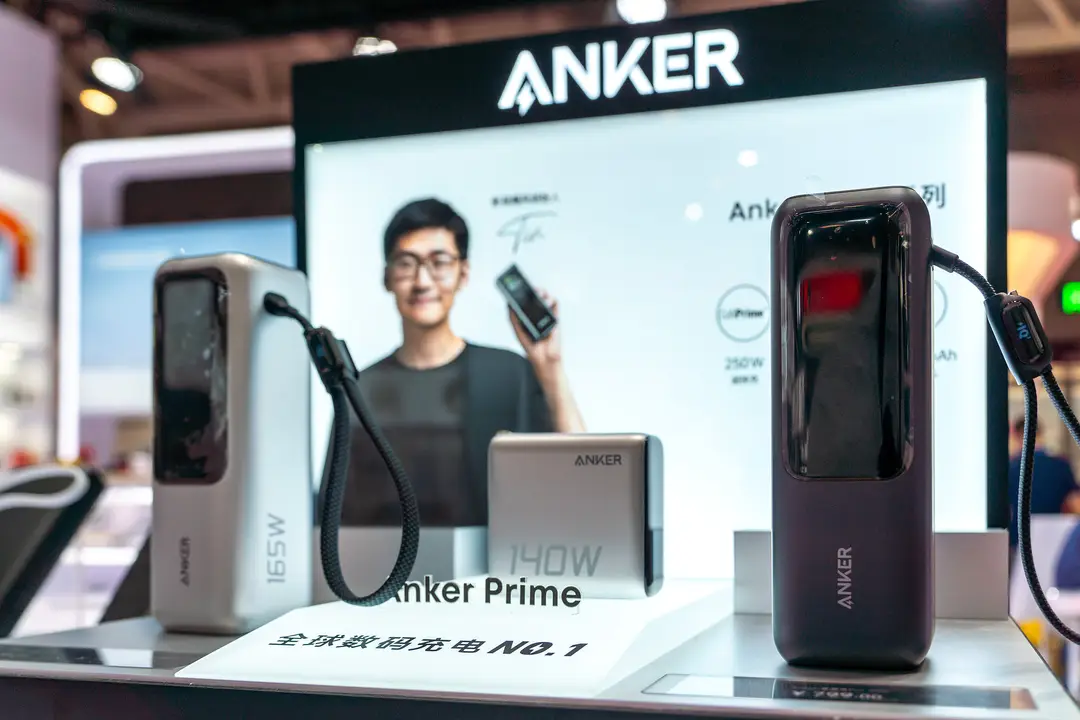
Technology creators who once earned only a small portion of their advertising revenue from Chinese brands now depend heavily on them. Companies such as drone maker DJI, consumer electronics brand Anker, and robotic vacuum maker Narwal have become major sponsors for overseas creators.
Turning awareness into purchases
The shift has also drawn established Amazon sellers on to TikTok. Chinese merchants increasingly view the platforms as complementary: social media generates awareness while Amazon converts purchases.
“If your competitors are doing TikTok and you are not, then they are intercepting all that traffic,” Zhan said, estimating that about 30% of traffic from the social media platform spills over to Amazon.
But the surge in demand has sent influencer costs soaring. Ren said annual price increases of 10%-30% had become normal, while some creators doubled their fees after signing with agents.
At the same time, brands are finding that quantity does not guarantee quality. The most effective influencers remain scarce and are increasingly selective about the products they promote.
Creators tend to favour higher-priced goods that generate larger commissions. Zhan described one merchant selling products priced at $80-$100, where 95% of orders came through influencer recommendations. “For influencers, there’s a huge difference between promoting an $8 product and an $80 one,” he said.
Culture clash
That creates a vicious circle for smaller merchants. Good products attract the best creators, while sellers offering generic products struggle to gain attention.
Chinese companies are also discovering that overseas influencer culture operates very differently from China’s tightly managed livestreaming ecosystem.
Domestic Chinese platforms such as Douyin and Xiaohongshu rely heavily on agencies and platform oversight, with creators often working under strict commercial structures. In western markets, influencers wield far greater independence.
“Chinese brands often want to produce a ‘correct advertisement’, while overseas creators want to produce good content,” Ren said. He recalled working with a Chinese robotics company that sponsored a major YouTube technology reviewer. Instead of following the company’s script, the creator produced a comparison video highlighting both strengths and weaknesses of the product.
“The client was furious at first,” Ren said. “But the video performed extremely well and generated strong sales.”
Brands also struggle with practical differences in working culture. Luna, founder of an Australia-based agency serving Chinese exporters, said many Chinese companies expected creators to post on tightly controlled schedules. Overseas influencers, however, frequently ignored deadlines, disappeared during holidays or rejected campaigns that did not align with their personal interests.
Trust is the key
“Influencers overseas are not just tools for brands,” she said. “They are creative individuals with strong opinions and autonomy.”
Despite the frustrations, Chinese companies continue pouring money into influencer marketing because alternative routes to growth are becoming more difficult.
Search advertising, search engine optimisation and compliance-heavy brand building strategies often require months before producing results. Many smaller exporters lack the patience or capital for such long-term investment.
For larger Chinese brands, however, influencer marketing is increasingly about trust rather than immediate sales.
“The biggest problem for Chinese brands overseas is not products or traffic — it’s trust,” Ren said. “Chinese brands are already on the shelves, but they are not yet in consumers’ minds.”
That challenge has become more urgent as Chinese companies expand their presence abroad. At this year’s Consumer Electronics Show in Las Vegas, Chinese groups accounted for roughly 22% of exhibitors, including dominant positions in sectors such as humanoid robots and AI glasses.
“Product quality is already there,” Ren said. “What’s missing is trust. Influencers are filling that gap.”
Source:
The Mirror Studio