

By Brent Li
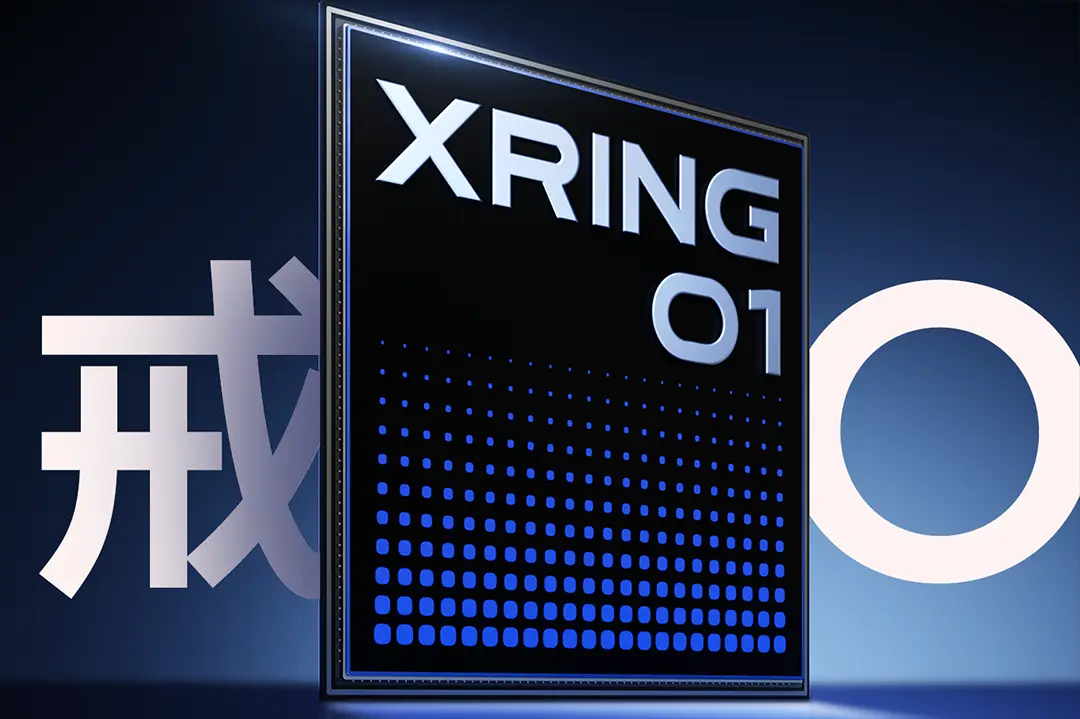
Chinese tech giant Xiaomi (1810.HK) recently hit a milestone in its ambitious pivot toward hardware independence. On April 27, founder and CEO Lei Jun announced that the company had shipped one million of its custom-designed smartphone chips, the XRing O1. A new generation of devices combining its self-developed chip, proprietary operating system, and artificial intelligence is also scheduled for release.
Xiaomi’s recent trajectory has been defined by a multi-front campaign. Its entry into the electric vehicle market with the Su7 and Yu7 models has generated strong sales, and the company is the only smartphone manufacturer worldwide with a top-tier open-source self-developed AI model. Yet, these victories mask a troubling reality in its core smartphone business.
According to market tracker IDC, while rivals Huawei and Apple saw smartphone sales grow in China in the first quarter of 2026 — with Huawei taking the top spot at 13.7 million units — Xiaomi fell out of the top five for the first time since the fourth quarter of 2023. Data from Omdia highlights the scale of the slump, showing the company’s first-quarter smartphone sales in China plummeted 35% year on year, pulling its global market share down to 11% from 14% a year earlier.
The high stakes of custom silicon
Xiaomi’s foray into designing its own System-on-Chip (SoC) — the central electronic brain of a device that houses the main processor and graphics components — has been controversial in its home market. Many Chinese consumers have criticized the company, claiming the XRing O1 merely uses processor blueprints from ARM, a British semiconductor firm, and lacks true technical innovation.
However, this criticism largely ignores industry norms. Designing custom chips based on ARM’s underlying architecture is standard practice; tech giants including Apple, Qualcomm, and Samsung all license ARM technology to develop their processors.
Taking control of chip design is a high-risk gambit. While hitting the 1 million shipment mark is a respectable achievement for a company’s first SoC, it underscores a highly cautious rollout. To put that figure into perspective, Xiaomi sold 3.5 million smartphones in just 20 days during the 2026 Lunar New Year holiday in China, according to BCI data. This conservative deployment suggests the company is treading carefully with its new silicon, though it is also possible its manufacturing partner, Taiwan Semiconductor Manufacturing Co. (TSMC), lacks the production capacity to supply more. This cautious, mixed-sourcing strategy is not entirely unusual — Samsung similarly mixes its own custom chips with Qualcomm processors in various device models.
Technical leap or risky distraction?
Despite consumer skepticism, independent testing by tech outlet iFanr shows the XRing O1 is highly competitive. Manufactured using TSMC’s advanced 3-nanometer process, it rivals Qualcomm’s flagship Snapdragon 8 Elite in both processing speed and graphics performance. It also features Xiaomi’s fourth-generation custom Image Signal Processor (ISP), a dedicated camera chip that significantly improves night-time video recording and visual noise reduction.
The company is not stopping at smartphones. According to Sina Tech, development of the second-generation chip, the XRing O2, is proceeding smoothly. It is expected to stick to TSMC’s 3-nanometer technology and will eventually expand beyond mobile phones to power the company’s tablets, personal computers, and electric vehicles.
At the Mobile World Congress in March, Xiaomi President Lu Weibing told CNBC that the company plans to launch a new smartphone processor every year, mirroring Apple’s annual update cadence for its A-series chips. To support this long-term vision, Lei has previously stated the company would pour at least 50 billion yuan ($6.9 billion) over a decade into custom chip development.
A juggling act
For Lei, developing in-house silicon is a necessary evolution if his company is to eventually rival Apple — a benchmark he frequently echoes. Controlling the hardware architecture allows a company to integrate its software more efficiently, potentially unlocking better performance and a seamless ecosystem across phones, cars, and home appliances.
However, the financial and operational toll of an annual chip development cycle are astronomical. While the custom silicon strategy elevates the brand’s technological prestige, the company is currently fighting aggressive battles on multiple fronts — from scaling electric vehicle production to training complex AI models. If these costly new ventures become a distraction, dragging down the company’s overall performance while its smartphone market share continues to erode, the long-term viability of its grand tech ecosystem could come under pressure.
Sources: