
More than a decade of preferential tax treatment for electric vehicles is ending, reflecting confidence the industry can compete without heavy policy support
By Kai Feng
China is beginning to unwind many of the tax incentives that helped turn the country into the world’s largest electric vehicle market, marking a new phase for an industry that has rapidly matured over the past decade.
The latest move came after the Ministry of Finance and other government agencies announced that automotive lithium power batteries will become subject to consumption tax from September. A temporary 2% rate will apply for one year before returning to the standard 4% rate.
The change brings an end to an 11-year exemption for vehicle batteries and places them under the same consumption tax regime as refined fuel, taking another step toward what Chinese policymakers describe as “equal treatment” between electric and gasoline-powered vehicles.
While the battery tax is levied on manufacturers, analysts expect much of the additional cost to be passed on to consumers over time, potentially narrowing some of the price advantage enjoyed by electric vehicles.
A gradual withdrawal
The battery tax follows a series of measures reducing preferential treatment for new energy vehicles (NEVs).
Earlier this month, authorities announced the gradual withdrawal of a 15-year exemption from the annual vehicle and vessel tax. The changes will initially affect energy-efficient vehicles and battery-powered commercial vehicles, while passenger battery electric vehicles will remain exempt for now.
China has also begun scaling back purchase tax incentives. At the start of this year, the purchase tax concession was reduced from a full exemption to a 50% reduction, equivalent to a 5% tax rate. The standard 10% purchase tax is scheduled to return in 2028.
At the same time, regulators are tightening technical standards for electric vehicles. Draft revisions to national standards would require battery electric vehicles to undergo reliability testing over 30,000 kilometers, matching the requirement for gasoline vehicles and doubling the previous 15,000-kilometer standard.
The measures are intended to normalize regulatory treatment rather than impose new burdens, with policymakers seeking to place electric and gasoline vehicles on a more equal competitive footing after years of asymmetric policy support.
There has been speculation that China could eventually introduce new charges such as mileage-based road-use taxes, vehicle weight fees or higher electricity tariffs for charging, although no such policies have been announced.
A maturing industry
China’s NEV sector has expanded far faster than policymakers originally anticipated.
Successive governments used subsidies, tax exemptions, purchase incentives and exemptions from license plate restrictions to encourage adoption, viewing the sector as an opportunity for China’s automotive industry to leapfrog foreign competitors that dominate internal combustion engine technology.
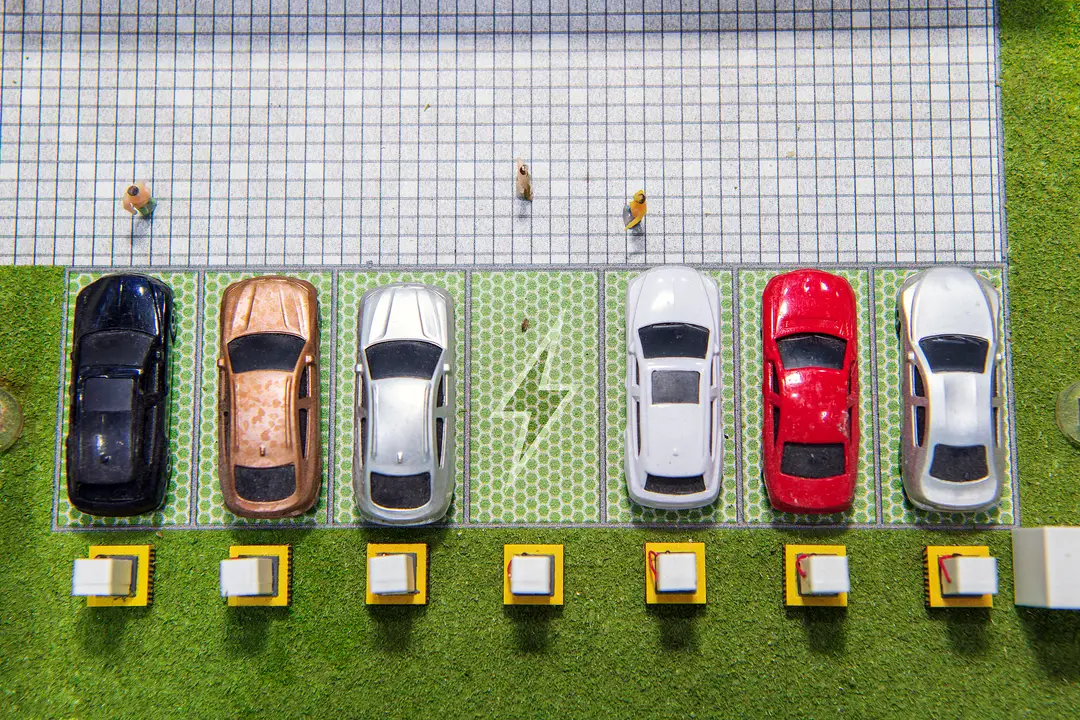
Those policies have transformed the market. China produced and sold more than 16 million NEVs last year, maintaining its position as the world’s largest EV market for an eleventh consecutive year.
Adoption has also accelerated beyond official targets. NEVs accounted for more than 60% of monthly passenger vehicle sales for three consecutive months during the first half of this year, meaning roughly six out of every 10 new cars sold were battery electric vehicles or plug-in hybrids.
That exceeds the government’s original goal of reaching a 20% penetration rate by 2025 and a 50% rate by 2035, effectively achieving the latter target about nine years ahead of schedule.
The rapid expansion has strengthened the argument that the industry no longer requires the same level of government protection afforded to an emerging industry in its infancy.
However, the sector continues to be beset by intense competition. While China leads the world in production, many manufacturers remain unprofitable as aggressive price wars have eroded margins despite rising sales volumes.
Critics argue that years of generous subsidies lowered barriers to entry, encouraged overinvestment and allowed inefficient producers to survive, contributing to persistent overcapacity.
Infrastructure funding pressures
Another factor behind the policy shift is the growing challenge of financing China’s transport infrastructure.
China incorporated road maintenance charges into fuel prices in 2009 after abolishing separate road maintenance fees. As a result, drivers of gasoline-powered vehicles have effectively funded most road upkeep through fuel taxes.
As electric vehicle adoption has surged, an expanding share of road users no longer contributes through fuel taxes despite making use of the same infrastructure.
According to Chinese media, annual funding shortfalls for road maintenance exceed 600 billion yuan ($88.6 billion), leaving a gap of about 50% between revenue and expenditure.
Electric vehicles also tend to be heavier than comparable gasoline models because of their batteries, increasing wear on roads. Some transport experts have suggested that future charging systems should take vehicle weight into account.
As China shifts from an era of rapid infrastructure construction to one focused increasingly on maintaining its existing network, policymakers face growing pressure to identify new revenue sources.
The gradual withdrawal of tax incentives signals that China’s electric vehicle industry is entering a more market-driven stage. Whether additional road-use charges eventually emerge remains uncertain, but the era of broad policy support that underpinned the sector’s explosive growth is clearly drawing to a close.