
By Da Cheung
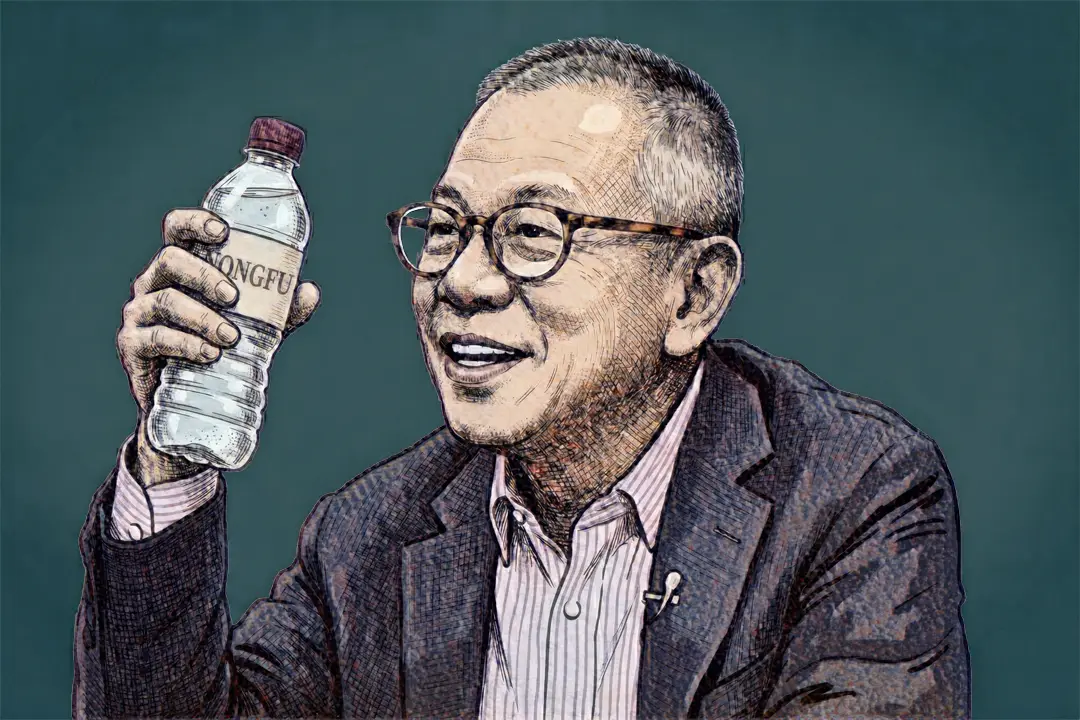
Zhong Shanshan is a highly unusual figure among China’s business elite. While the upper echelons of the 2025 Hurun China Rich List are dominated by the founders of high-tech giants — such as Zhang Yiming of ByteDance, Pony Ma of Tencent, Robin Zeng of Contemporary Amperex Technology (CATL), and Lei Jun of Xiaomi — Zhong stands out. He took the title of China’s richest man for the fourth time primarily by selling bottled water. His consumer brand, Nongfu Spring, is a household name in China, yet Zhong keeps such a low profile that the rare characters of his first name — Shanshan — are difficult to recognize or pronounce for many Chinese.
Now, the 71-year-old billionaire is stepping far outside his traditional consumer domain. Earlier this month, Zhong indirectly paid 500 million yuan ($69 million) for a 10% stake in Zhibang Lithium, a little-known tech startup.
Founded in 2024, Zhibang Lithium initially disclosed a headcount of just 19 employees. For more than two years, the company kept a low profile as it conducted research and prepared for the production of raw materials for solid-state batteries. Aside from a few news briefs regarding its chemical patents, it garnered almost no public attention. That all changed this month when corporate filings revealed the financial backing of China’s wealthiest man, thrusting the startup into the spotlight.
The ultimate battery gamble
The global automotive industry has reached a broad consensus that solid-state batteries represent a generational leap, often dubbed the “ultimate route,” for electric vehicles. Conventional lithium-ion batteries rely on liquid electrolytes — the chemical solution that allows charged ions to flow between the battery’s poles. These liquids are flammable and prone to leakage. Solid-state batteries replace this liquid with a solid material, largely eliminating the risk of fire and explosion while dramatically increasing their energy density. This technology promises a driving range of over 1,500 kilometers on a single charge and the ability to recharge in just 10 minutes.
Despite these theoretical advantages, the technology remains relatively immature. Mass adoption is currently hindered by unresolved engineering challenges and stubbornly high manufacturing costs. One of the few industries increasingly using solid-state batteries is robotics, where power density is far more important than cost. But the race is intensifying. Zhibang Lithium says it has adopted three different technical routes for solid-state electrolytes: polymer, oxide, and sulfide. Sometime in 2026 or 2027, the company expects to be able to make hundreds of tons per year of solid-state batteries using those electrolytes. That’s enough for testing and early-stage commercial sampling, but not enough to supply a major car company’s full production line.
For Zhong, targeting upstream raw materials rather than final battery assembly perfectly aligns with his renowned investment philosophy and reputation as a “patient capitalist”. After accumulating massive wealth through bottled water, the billionaire entered the healthcare sector through the acquisition of struggling vaccine manufacturer Wantai Biological in 2001. He waited 18 years before the company’s domestic HPV vaccine was finally approved for sale in China, turning the firm into a highly profitable industry titan.
Zhong is following the strategy of selling shovels during a gold rush. The downstream cell manufacturing sector is already fiercely competitive, dominated by established giants like CATL and BYD. Electrolyte materials manufacturing, however, requires deep chemical expertise and long-term research. In sulfide-based solid-state batteries, the electrolyte accounts for 70-80% of the total cost, according to Global Carbon Zero. By investing upstream, Zhong is betting on the most scarce and lucrative segment of the battery market of the future.
He is unlikely to have to repeat his 18-year wait in the vaccine industry to see a breakthrough in solid-state batteries. Industry insiders widely view 2026 as the inaugural year for testing in vehicles, with large-scale commercialization anticipated around 2030.
A new blueprint for innovation
Zhong’s foray into the battery sector also highlights an increasingly prevalent structural model driving China’s recent economic development. Joining Zhong in Zhibang Lithium’s Series A funding round is the state-owned investment arm of the Quzhou municipal government, where the startup is headquartered. The fund bought a 15% stake in the company, surpassing Zhong to become the company’s second-largest shareholder, right behind the founding technical team.
This configuration — a startup founded by technical experts holding core patents, financially bolstered by local government capital, and supported by private tycoons or venture capital — has become a compelling formula for emerging tech in China. For a startup, this hybrid model offers the best of both worlds. It enjoys robust financial subsidies and the implicit “protection” and coordination advantages provided by state-backed funds, particularly when securing land and navigating local regulations. Simultaneously, maintaining private technical leadership ensures the company retains its operational agility.
Compared with the often rigid nature of traditional state-owned enterprises, or the slower reflexes of massive, established private conglomerates, this collaborative structure is expected to inject fresh vitality into the Chinese economy. It allows startups to shoulder the immense research and development costs of frontier technologies without buckling under the weight of early financial pressure.
Zhong Shanshan does not need Zhibang Lithium to become a profitable behemoth overnight. Armed with substantial cash reserves from his water and vaccine empires, he can afford to play the long game. As the solid-state battery industry transitions from the laboratory to commercial reality, China’s richest man has quietly secured a prime seat at the table.
Sources